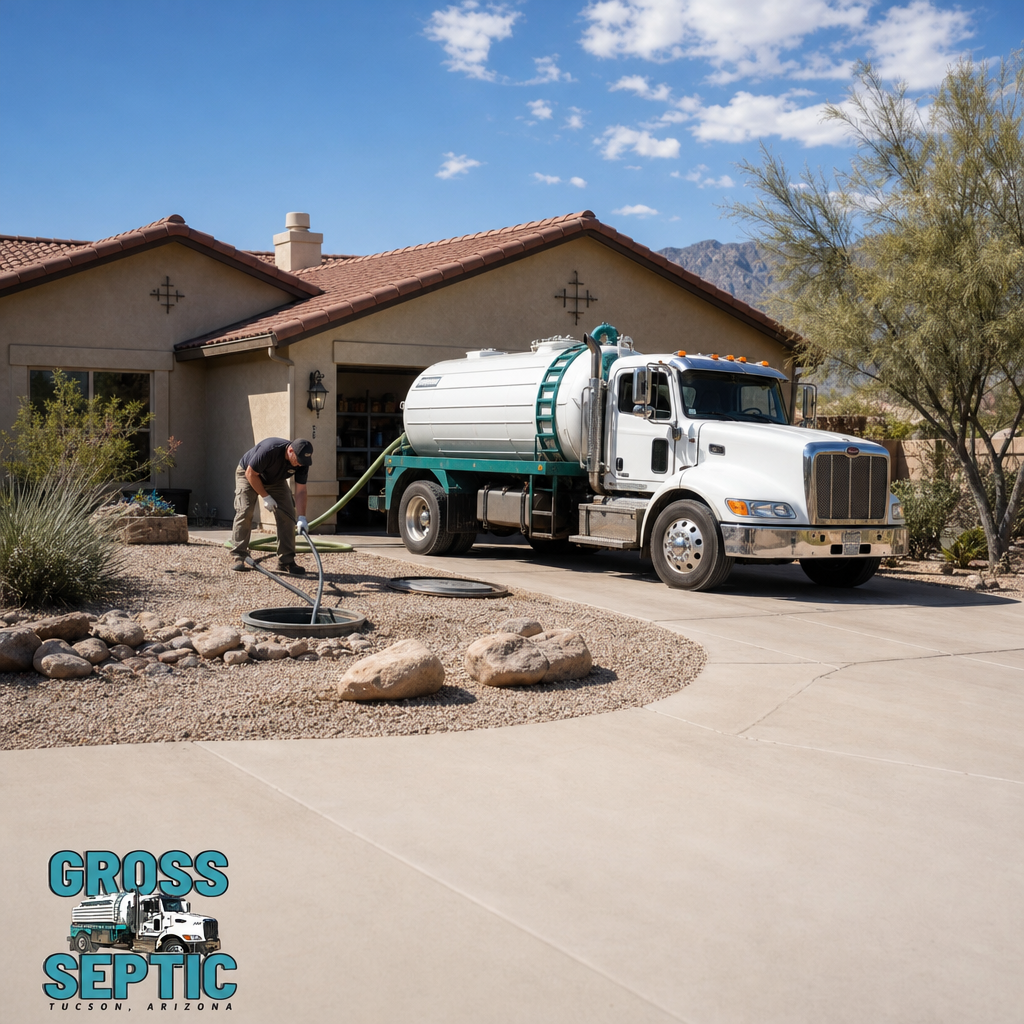
Do you need a septic inspection before selling your house in Arizona? Gross Septic Pumping provides trusted real estate septic inspections that help sellers avoid closing delays, protect property value, and maintain a dependable septic system.
If your Arizona home has a septic system, a pre-sale inspection is more than a smart precaution—it is often part of the real estate transfer process. Sellers need to know the condition of the tank, leach field, visible components, and overall system performance before buyers, agents, or lenders raise concerns. A professional inspection from Gross Septic Pumping helps you understand what is working, what may need attention, and how to move toward closing with fewer surprises.
Arizona septic inspection requirements when selling a home
Arizona has specific rules for properties served by onsite wastewater treatment systems, commonly called septic systems. In many property transfers, a qualified inspection is required before ownership changes. The inspection helps document the condition of the system and provides important information to the buyer before the sale is completed.
For sellers, this matters because septic issues can slow down negotiations, create last-minute repair requests, or affect buyer confidence. Scheduling real estate septic inspections early gives you time to address concerns before they become closing problems. Gross Septic Pumping has served Tucson and Southern Arizona since 1960, bringing local knowledge of county expectations, Arizona soil conditions, desert climate concerns, and common septic system challenges.
A septic inspection is not the same as a quick glance at the tank lid. A proper evaluation looks at accessible components, system history, wastewater flow indicators, signs of backups, and potential leach field concerns. If the tank needs service, septic tank pumping may also be recommended so the inspector can better evaluate the tank condition.
What a septic inspection before selling a house includes
A professional septic inspection generally checks the tank, inlet and outlet baffles, visible piping, access lids, effluent levels, and signs of structural damage or operational problems. The inspector may also look for slow drains, sewage odors, soggy soil, wastewater surfacing, or vegetation patterns that suggest leach field trouble.
The goal is to provide a clear picture of the system’s condition at the time of inspection. This helps sellers avoid vague answers during negotiations and gives buyers useful information about future maintenance. Gross Septic Pumping focuses on honest recommendations and clear communication, so property owners understand the inspection findings without unnecessary confusion.
A typical septic system inspection before listing or closing may include:
- Locating and opening accessible septic tank lids
- Checking sludge and scum levels
- Looking for cracks, corrosion, root intrusion, or damaged components
- Evaluating signs of drain field stress
- Reviewing maintenance needs and pumping history
- Providing documentation for real estate transaction purposes
If problems are found, that does not always mean a deal is in danger. Many septic concerns can be addressed with timely maintenance, repairs, or further evaluation. The key is finding out early enough to make informed decisions.
Septic tank pumping before a home sale in Southern Arizona
Many sellers ask if they should pump the septic tank before selling. In many cases, pumping is helpful because it allows a better view of the tank interior and removes accumulated solids that could affect performance. Regular pumping also shows buyers that the system has been maintained responsibly.
How often a tank should be pumped depends on household size, tank capacity, water use, and system age. For many homes, pumping every three to five years is common, but some systems need service sooner. If a property has been vacant, heavily used, rented, or has unknown service records, pumping before or during the sale process can be a wise step.
Gross Septic Pumping performs septic pumping thoroughly and correctly, not just quickly. Proper pumping removes solids from the tank and helps reduce the risk of backups, clogs, and avoidable strain on the leach field. For Arizona sellers, this can be especially important because dry soil, hard ground, and older systems may hide problems until water use increases.
Common septic problems that can affect a real estate sale
Septic issues can make buyers nervous because repairs may be costly if ignored. Common inspection findings include overfilled tanks, missing or damaged lids, cracked baffles, root intrusion, sludge buildup, distribution box problems, and leach field saturation. Slow drains, gurgling toilets, and sewage odors can also raise red flags.
Leach field concerns deserve special attention. If wastewater is not dispersing properly into the soil, the system may back up into the home or surface in the yard. Arizona’s soil types vary widely, and local experience matters when evaluating drainage, absorption, and site conditions. Gross Septic Pumping understands the septic challenges common throughout Tucson and Southern Arizona.
Not every issue requires major work, but delaying repairs can make problems harder to manage. A seller who schedules an inspection early has more control over timing, estimates, and communication with buyers. Waiting until the final days before closing can lead to rushed decisions and added stress.
How septic inspections protect sellers, buyers, and property value
Most sellers care about three things: avoiding delays, protecting the sale price, and reducing surprise expenses. A septic inspection supports all three by creating a documented understanding of the system before negotiations reach a critical point. It also gives buyers confidence that the property has been evaluated by a qualified septic professional.
Preventing backups is another major concern. A backed-up septic system can damage flooring, walls, landscaping, and personal property. It can also lead to emergency service calls and repair costs that may have been reduced with routine septic system maintenance. Regular pumping, responsible water use, and periodic inspections help identify warning signs before they become more serious.
For real estate transactions, buyers often want to know what to expect after moving in. Sellers who can provide inspection results, pumping records, and maintenance recommendations may create a smoother transaction. Choosing the right septic service provider matters because the inspection must be practical, thorough, and clearly explained. Gross Septic Pumping brings more than six decades of local experience, residential and commercial septic expertise, and a reputation for honest service.
When you need a septic inspection before selling your Arizona home
When you need a septic inspection before selling your house in Arizona, Gross Septic Pumping can help you move forward with clear answers and dependable service. Our family-owned, locally operated team provides septic inspections, septic tank pumping, system evaluations, repairs, installations, leach field services, and real estate septic support for homeowners, buyers, sellers, property managers, and businesses.
A septic inspection gives you valuable information before the sale reaches a stressful point. It helps uncover maintenance needs, supports buyer confidence, and can reduce the risk of last-minute surprises. If pumping, repairs, or further evaluation are needed, Gross Septic Pumping will explain the findings clearly and recommend practical next steps.
Serving Tucson and Southern Arizona since 1960, Gross Septic Pumping understands local septic systems, Arizona soil conditions, and the importance of getting real estate inspections handled correctly. If you are preparing to list your home, accepting an offer, or responding to buyer inspection requests, schedule service with a septic company that values thorough work, honest communication, and long-term system reliability.