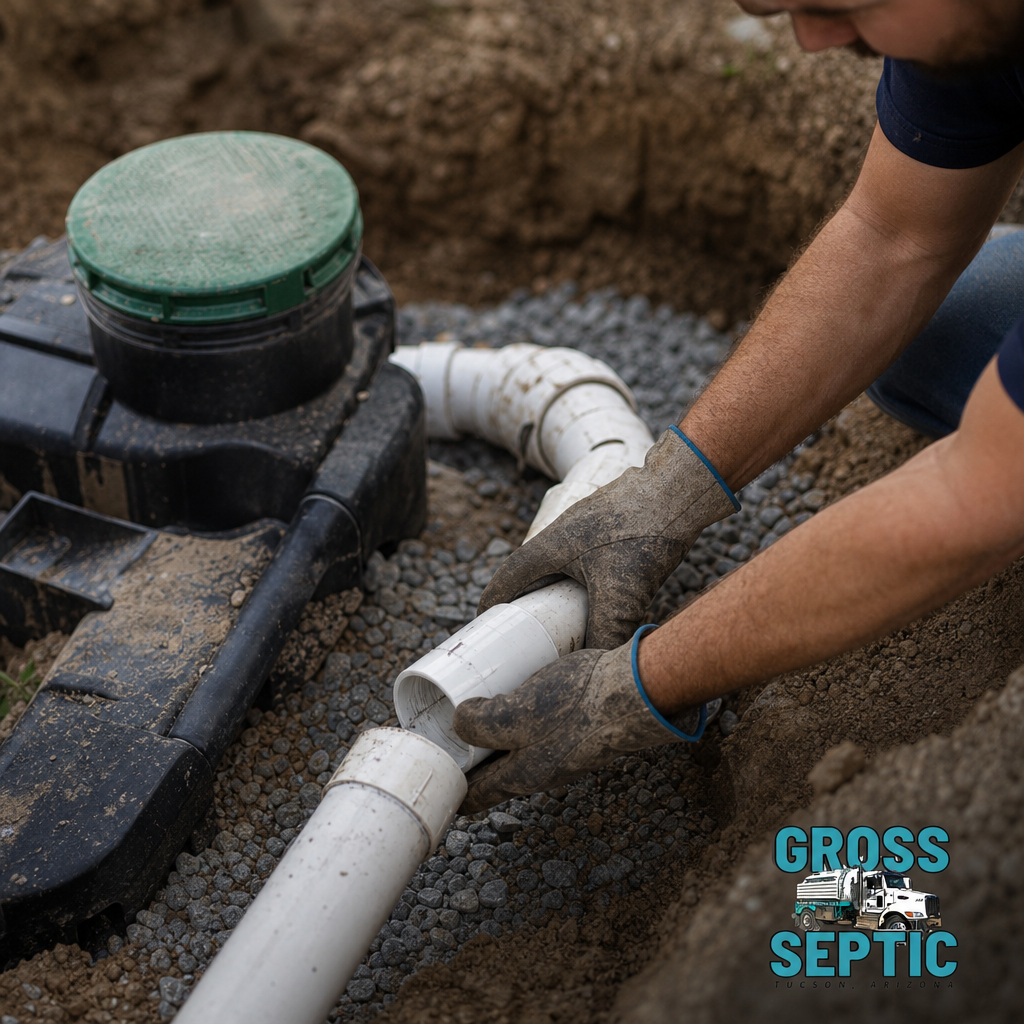
Wondering how much it costs to replace a leach field in Arizona, and whether Gross Septic Pumping can help you avoid paying for more than your septic system actually needs? The cost to replace a leach field in Arizona depends on soil conditions, system size, access, permitting, and whether the problem is limited to the drain field or connected to the septic tank, plumbing, or distribution components.
If your drains are slow, your yard smells like sewage, or wastewater is surfacing near the drain field, you may be facing a serious septic issue. In Arizona, leach field replacement can range from several thousand dollars to well over $20,000 depending on the site and design requirements. The best first step is a professional septic inspection, because not every leach field problem requires full replacement. Gross Septic Pumping helps Tucson and Southern Arizona property owners understand their options with honest evaluations, thorough septic tank pumping, and practical repair recommendations.
Arizona Leach Field Replacement Cost and What Affects the Price
For many residential properties in Arizona, leach field replacement may fall somewhere between $7,000 and $25,000 or more. Smaller, straightforward systems with good access and favorable soil conditions may stay near the lower end. Larger homes, commercial properties, difficult excavation areas, engineered systems, or poor-draining soils can raise the total cost.
Arizona properties often have unique septic challenges because of rocky soil, caliche, slope, dry climate, and limited usable yard space. These conditions can affect excavation time, drain field layout, soil absorption, and permitting requirements. A leach field that works well in one part of Southern Arizona may not be suitable for another property just a few miles away.
The final cost can include septic inspection, soil evaluation, design, permits, excavation, gravel or chamber materials, distribution lines, labor, system abandonment or removal, and final approval. Gross Septic Pumping has served Southern Arizona since 1960, giving property owners local knowledge that matters when evaluating leach field services in desert soil conditions.
Signs Your Leach Field May Be Failing
A failing leach field does not always fail overnight. Many homeowners first notice slow drains, gurgling toilets, sewage odors, or wet patches in the yard. These symptoms may come and go at first, especially after heavy water use, laundry days, guests, or seasonal rains.
Common warning signs include:
- Sewage smell near the septic tank or drain field
- Standing water or unusually green grass over the leach field
- Slow sinks, tubs, showers, or toilets
- Backups inside the home
- Septic alarms on certain systems
- Water pooling after normal household use
- Recent septic pumping that did not solve drain issues
These symptoms do not automatically mean replacement is the only option. A clogged filter, full septic tank, crushed line, damaged distribution box, or hydraulic overload can mimic leach field failure. That is one reason septic inspections are so important before approving a major repair.
Septic Inspection Before Replacing a Drain Field
Before replacing a leach field, a qualified septic professional should evaluate the entire system. The inspection may include checking the septic tank level, inlet and outlet baffles, effluent filter, distribution box, drain lines, soil saturation, signs of root intrusion, and overall system layout.
Gross Septic Pumping provides septic inspections and system evaluations for homeowners, rural property owners, property managers, and real estate transactions. The goal is to identify the true cause of the problem, not simply recommend the most expensive option. Sometimes pumping, line repair, or distribution improvements can restore function when the leach field itself is not fully failed.
A proper inspection also helps protect buyers and sellers during real estate transactions. Real estate septic inspections can reveal costly problems before closing, giving both parties clearer expectations about repair needs, replacement costs, and negotiation points.
Leach Field Repair vs Full Replacement in Arizona
Not every drain field issue requires complete replacement. In some cases, repairs may involve replacing a broken distribution box, clearing a clogged line, redirecting runoff, repairing crushed pipe, or addressing septic tank problems that are sending solids into the leach field.
Full replacement is more likely when the soil absorption area is saturated, biomat buildup is severe, the field is undersized for current use, the system was poorly installed, or the drain field has reached the end of its functional service. Replacement may also be needed if the property has changed significantly, such as added bedrooms, increased water use, or commercial activity.
Gross Septic Pumping offers septic repairs, septic tank installation, pumping, and maintenance support. That broad experience matters because a leach field does not operate by itself. It depends on proper tank function, controlled water use, good distribution, and ongoing septic system maintenance.
Permits, Soil Conditions, and Septic Design Requirements
Arizona leach field replacement often requires county review, permits, and sometimes engineering or soil testing. Requirements may vary based on location, lot size, water wells, washes, slopes, property setbacks, and local health department rules.
Soil conditions are one of the biggest cost factors. Sandy soil, clay-heavy areas, caliche, rock, shallow soil depth, and drainage limitations can affect the type of system allowed. Some sites may need an alternative design, additional treatment, or a different leach field layout to meet code and function properly.
This is where local septic experience becomes valuable. Gross Septic Pumping understands Tucson and Southern Arizona septic conditions, including how climate and soil can affect system performance. Clear communication during the evaluation process helps homeowners understand what is required, what is optional, and what may affect the project timeline.
Ways to Reduce the Risk of Expensive Leach Field Problems
The best way to manage leach field replacement cost is to protect the system before major failure happens. Regular septic tank pumping prevents solids from moving into the drain field, where they can clog soil and reduce absorption capacity.
Homeowners can help protect the leach field by spacing out laundry loads, fixing leaking toilets, avoiding grease down drains, keeping vehicles off the drain field, and limiting harsh chemicals that may disrupt tank activity. Water conservation also matters because too much water can overload the system and push untreated wastewater into the soil absorption area too quickly.
A maintenance schedule should be based on household size, tank capacity, water use, garbage disposal use, and system age. For many homes, pumping every three to five years is common, but inspections help determine the right interval. Commercial septic systems may need more frequent service due to heavier use.
What Homeowners Care About Most Before Approving Leach Field Replacement
Most property owners want to prevent backups, avoid unnecessary repairs, protect property value, and make informed decisions before spending thousands of dollars. That starts with accurate diagnosis. A leach field replacement is a major investment, so the inspection should clearly explain what is failing, what repair options exist, and what the replacement process may involve.
For buyers and sellers, septic condition can affect negotiations, financing, closing timelines, and future liability. A real estate septic inspection helps reduce surprises by documenting tank condition, visible defects, drainage concerns, and signs of leach field stress. Sellers can address problems before listing, while buyers can better understand the property they are purchasing.
Choosing the right septic service provider also matters. Look for local experience, clear communication, thorough pumping practices, and honest recommendations. Gross Septic Pumping is family-owned, locally operated, and has served Southern Arizona for more than six decades. That history gives customers confidence that they are working with a company familiar with Arizona septic systems, not a contractor guessing through local soil and permitting challenges.
When you need leach field replacement cost guidance in Arizona
When you need clear answers about leach field replacement cost in Arizona, Gross Septic Pumping can inspect your system, explain the likely cause of the issue, and recommend practical next steps. Whether the solution involves pumping, septic repairs, a new drain field, or a full septic tank installation, the goal is to help you make a confident decision.
Gross Septic Pumping serves Tucson and Southern Arizona with residential and commercial septic services, including pumping, inspections, maintenance, repairs, installations, leach field evaluations, and real estate septic inspections. If you are seeing backups, drain problems, odors, wet soil, or signs of leach field failure, schedule a professional evaluation before the problem gets worse. A timely inspection can help you protect your property, manage repair costs, and keep your septic system working as reliably as possible.